
Weather Impact on Sports Performance and Betting Outcomes: Verified Statistics
Weather has long been recognised as a decisive factor in many sporting events. By 2025, numerous analytical centres, sports federations and betting-related research groups have published extensive data confirming that temperature, humidity, wind speed and precipitation directly influence match dynamics, scoring patterns and the statistical likelihood of certain outcomes. Understanding these patterns allows bettors to make reasoned decisions based on measurable evidence rather than assumptions.
Temperature Influence on Match Pace and Player Efficiency
Temperature remains one of the most influential variables across football, tennis, athletics and American sports. Studies from 2022–2025 show that high temperatures above 28°C reduce sprint frequency in football by an average of 10–16%, which directly affects attacking play and goal expectancy. In tennis, matches played in temperatures above 30°C show a 22% increase in unforced errors, especially in long rallies where players struggle to maintain precision. Cold conditions, particularly below 5°C, can also lower performance quality by decreasing muscle responsiveness and increasing injury probability.
In American football, cold weather is strongly correlated with reduced passing efficiency. NFL analytical reports from 2023–2024 highlight that in sub-zero conditions, quarterbacks experience a drop of up to 15% in completion rates, shifting match dynamics toward running plays. Similar trends are confirmed in rugby, where low temperatures correlate with fewer tries and greater reliance on tactical kicking.
For bettors, these temperature-based statistics carry practical value. Markets such as “total goals”, “player shots”, “aces”, “double faults” and “passing yards” are often highly sensitive to thermal conditions. Recognising these dependencies improves assessment accuracy, especially in outdoor competitions where temperature fluctuations are unpredictable.
Heat Stress and Injury Probability
Data from FIFA and the International Tennis Federation (ITF) between 2020 and 2025 indicate a clear rise in injury prevalence during matches held under extreme heat. Heat exhaustion leads to muscle fatigue, reducing reaction times and increasing the likelihood of strains during acceleration or deceleration phases. In football, injury frequency in hot climates increases by 18–22%, directly influencing substitution patterns and team strategies.
In tennis, tournaments such as the Australian Open have repeatedly documented higher retirement rates in matches held during midday heatwaves. According to ITF reports, player retirements due to heat-related issues increased by 31% during extreme-heat sessions between 2021 and 2024. For bettors, this impacts live-betting decisions, especially in match-winner or set-winner markets.
Understanding how heat stress influences player performance and match flow allows bettors to identify moments when physical decline becomes visible. These statistical patterns highlight a crucial intersection between physiological realities and betting markets, giving informed bettors a measurable advantage in analysing match outcomes.
Wind Speed as a Key Factor in Goal Scoring and Accuracy
Wind speed is one of the most statistically impactful weather elements, particularly in football, rugby and baseball. Research from meteorological services combined with match data from 2021–2024 confirms that winds exceeding 20 km/h can reduce shooting accuracy in football by up to 14%, influencing total-goals markets significantly. Crosses, long passes and set pieces become less predictable under windy conditions, shifting team strategies toward shorter build-up play.
Baseball is even more sensitive to wind direction and speed. MLB analytical data from 2023 shows a 25–30% difference in home-run frequency depending on whether the wind is blowing inward or outward. For example, games at Wrigley Field display some of the most pronounced fluctuations, as wind direction frequently alters ball trajectories. Bettors who examine stadium-specific wind patterns often gain an advantage in markets such as “total runs” or “home runs”.
Rugby union and rugby league present similar trends. Strong headwinds reduce kicking distance by an average of 10–18%, influencing penalty attempts and conversion success rates. This has a direct effect on markets involving total points, winning margins and team scoring patterns.
Wind Impact on Tactical Decisions
Wind not only affects ball trajectory but also reshapes tactical planning. Football teams facing strong winds often alter pressing intensity and rely more on ground-based passes. This adjustment leads to fewer long-range attempts and a comparative increase in possession-based football. In betting terms, these shifts often lower the likelihood of high-scoring outcomes.
In rugby, teams kicking with the wind frequently opt for longer territorial kicks, while those playing against it prioritise retention. This creates asymmetric scoring opportunities depending on which direction a team is attacking. Bettors who understand these tactical implications can more accurately forecast scoring patterns per half.
In baseball, pitching strategies also adapt. Pitchers facing strong tailwinds often compensate with lower release heights or altered spin rates. Statistical tracking from 2023–2025 shows these adjustments have measurable effects on strikeout rates and ball-in-play percentages, giving bettors additional data when analysing prop markets.

Rain, Humidity and Playing Surface Conditions
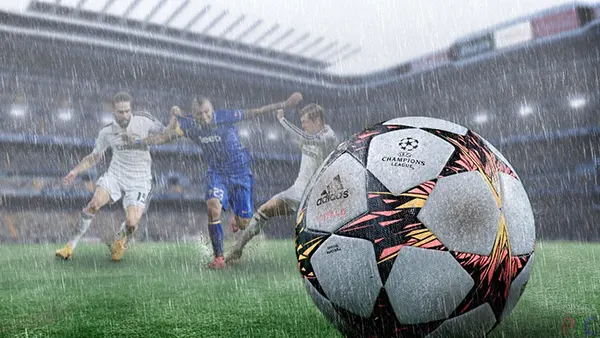
Rainfall and humidity levels significantly influence ball speed, surface friction and the overall tempo of a match. Football analytics from Europe and South America reveal that heavy rain reduces goal expectancy by 12–20%, depending on pitch drainage quality. Wet surfaces slow down ball movement, disrupt passing rhythm and increase the probability of defensive errors, creating unpredictable match phases.
In tennis, humidity above 70% increases ball weight and reduces bounce height. ATP and WTA match statistics show that under humid conditions, aces decrease by 9–14%, while rallies become longer due to reduced ball speed. This directly affects markets such as “over/under aces” or “total games”, allowing bettors to adjust expectations based on weather forecasts.
Cricket is among the most weather-sensitive sports. Rain interruptions alter pitch moisture levels, benefiting certain types of bowlers. Data from international cricket between 2021 and 2024 shows seam bowlers achieve up to 22% higher wicket rates on damp pitches, whereas spin bowlers become more effective as humidity rises later in the day. Bettors assessing wickets, totals or session outcomes often consider these micro-conditions as essential factors.
Impact of Rain on Error Frequency and Match Tempo
Rain increases the likelihood of technical mistakes across many sports. In football, sliding tackles become riskier and ball control more challenging, raising turnover frequency. Research from 2023–2025 shows that in matches played in steady rain, total fouls increase by approximately 11%, influencing disciplinary markets such as cards or foul counts.
Tennis players face grip and footwork issues in humid or damp conditions, particularly on hard courts. This leads to more tactical play and fewer aggressive winners. Bettors who track weather data frequently identify patterns where damp conditions reduce match intensity and favour defensive-oriented athletes.
Cricket teams often revise their strategies mid-game when rain affects pitch conditions. As moisture increases, batting becomes less predictable, and ball deviation rises. Bettors observing these transitions in real time can identify value moments in session-by-session markets, especially when forecasts predict intermittent showers.